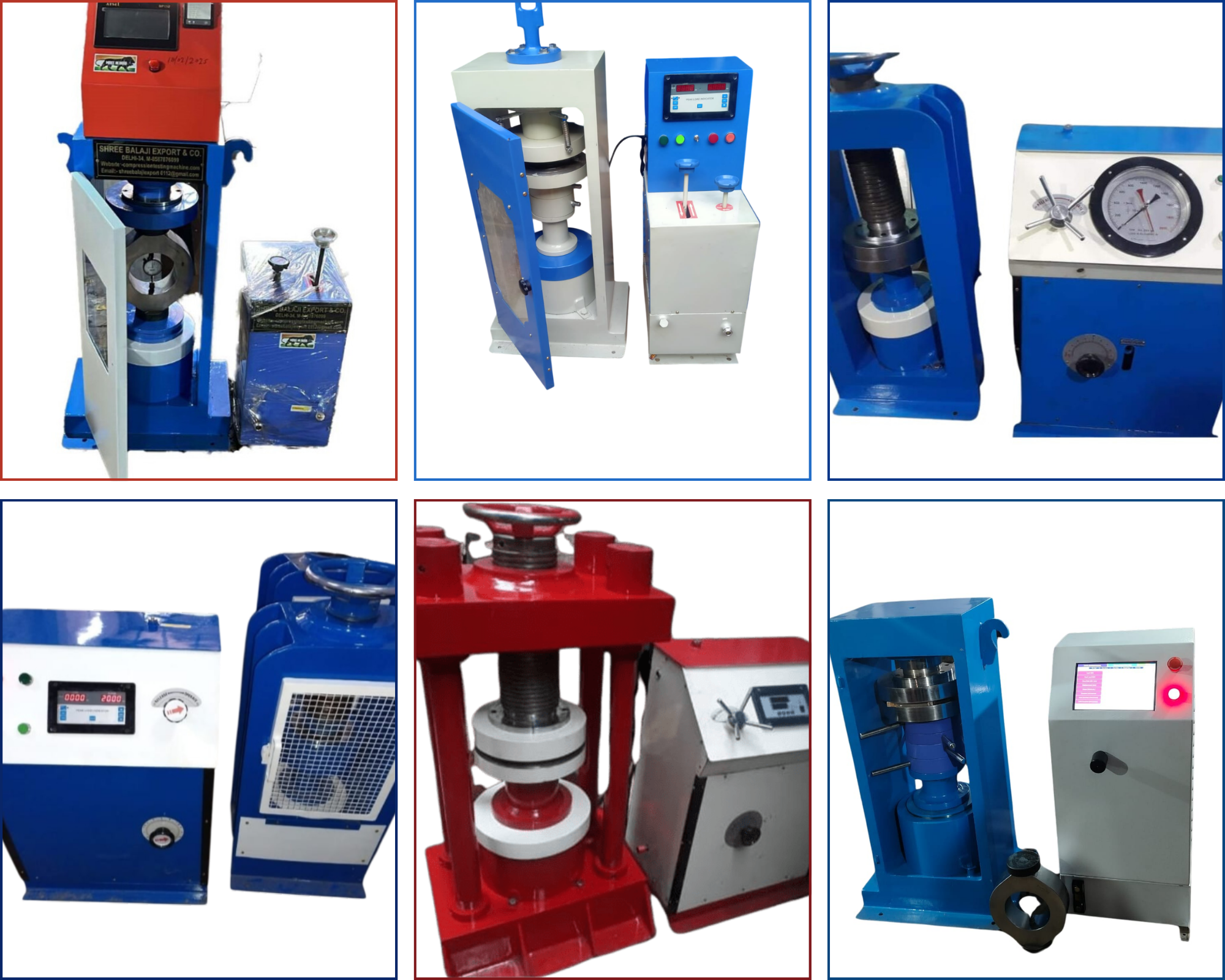
Different Types of Compression Testing Machine and Their Uses
Compression Testing Machines (CTM) are essential equipment in civil engineering laboratories for testing the compressive strength of concrete, cement, bricks, blocks, and other construction materials. Selecting the right type of Compression Testing Machine depends on lab requirements, project scale, accuracy level, and compliance needs.
At Shree Balaji Export & Co., we manufacture multiple types of Compression Testing Machines suitable for government labs, private laboratories, engineering colleges, and highway projects.
Below is a complete guide to different types of Compression Testing Machines and their uses.
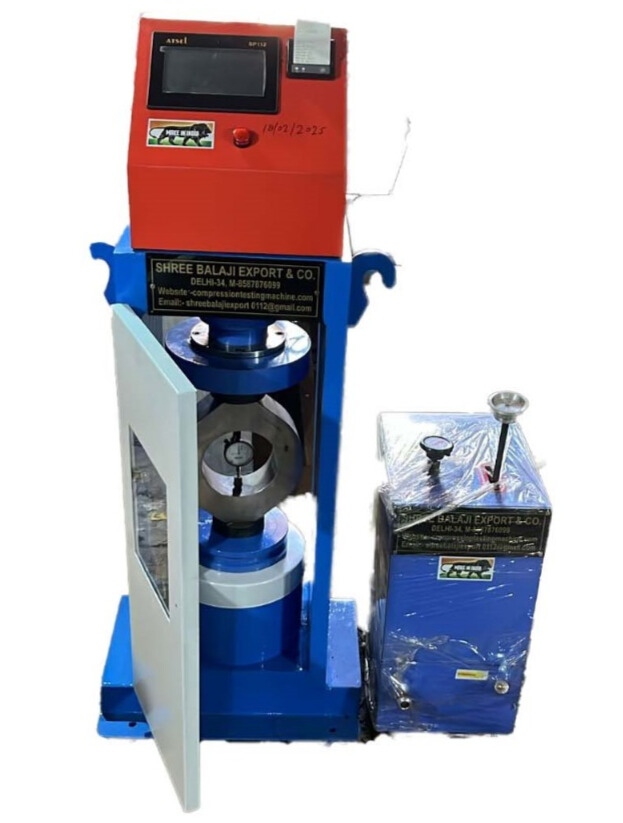
Compression Testing Machine – Touch Screen with Printer
Features:
Uses:
This model is ideal for:
The inbuilt printer allows instant printout of test results, making it suitable for audit and documentation purposes.
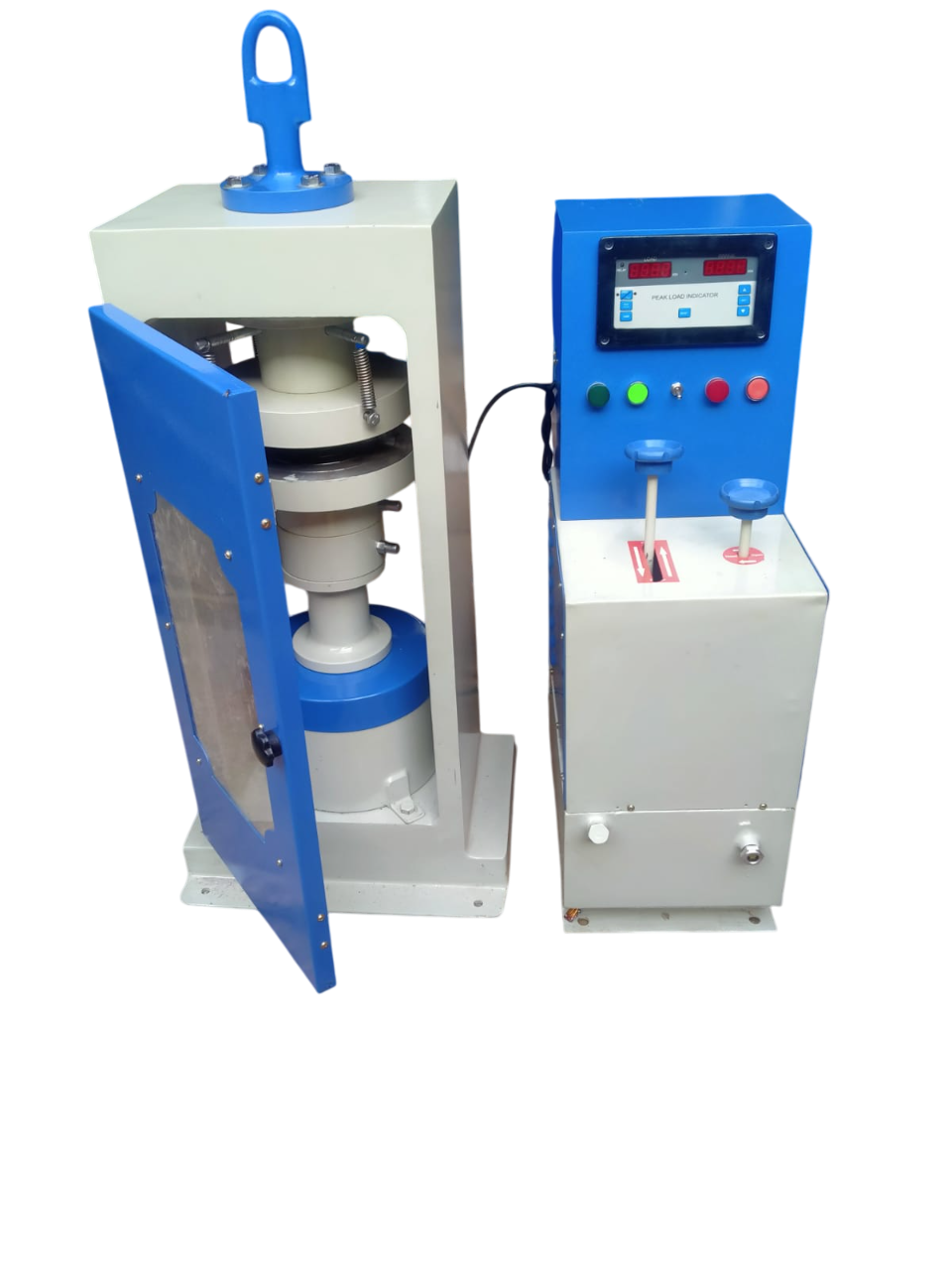
Compression Testing Machine – Plate Type Digital
Features:
Uses:
This type is widely used where digital accuracy is required but full automation is not necessary.
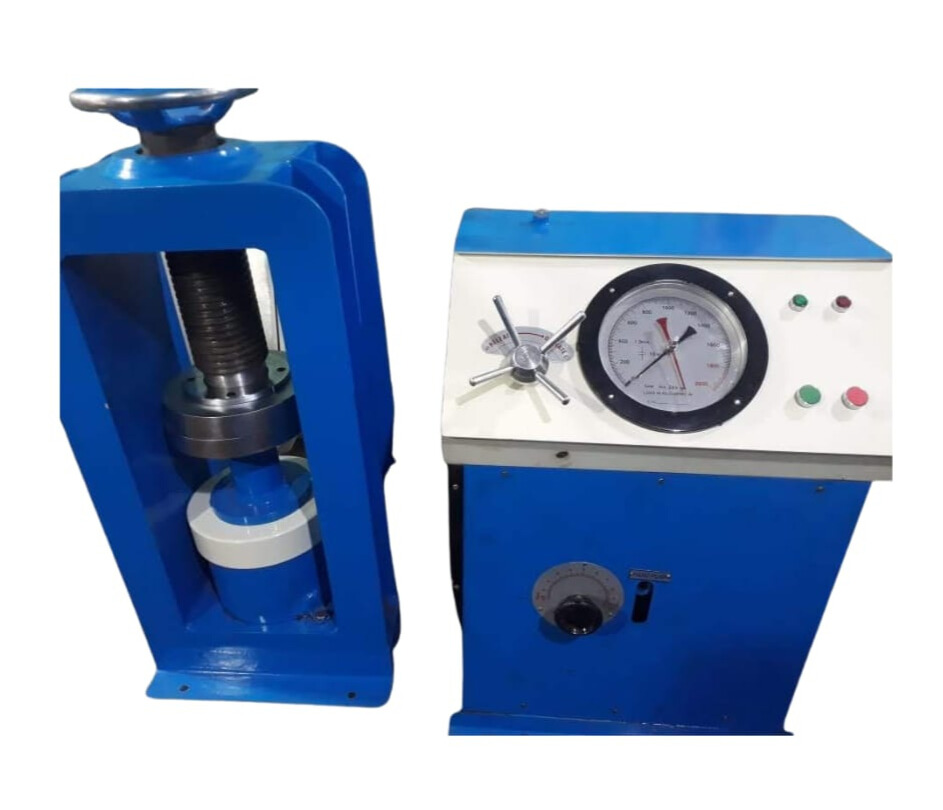
Analog Compression Testing Machine
Features:
 Hydraulic loading system
Uses:
Analog CTMs are reliable and economical, suitable for labs that require manual monitoring.
Compression Testing Machine – Semi-Automatic Channel Type
Features:
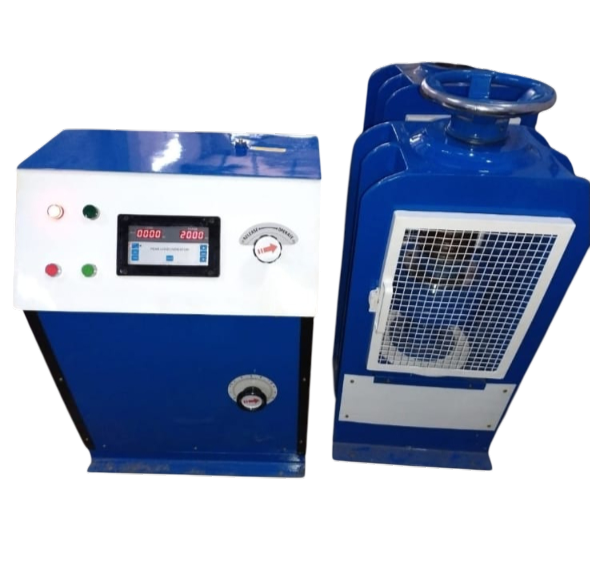 Digital load display
Uses:
Channel type structure provides strength and stability during high load applications.
Semi-Automatic Digital Compression Testing Machine – Four Pillar
Features:
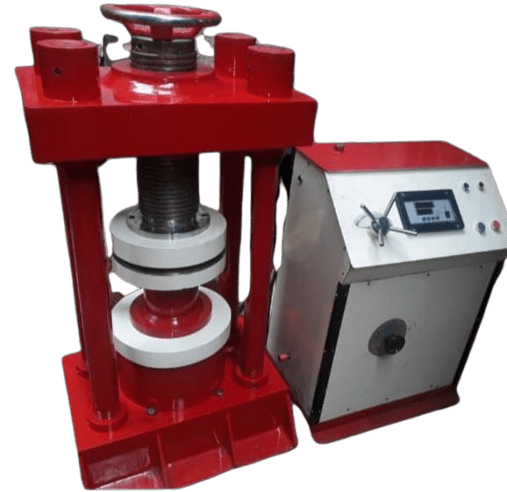
Uses:
Four pillar models offer enhanced structural stability and are ideal for frequent heavy testing.
Fully Automatic Compression Testing Machine – Servo (Pace Rate Controlled)
Features:
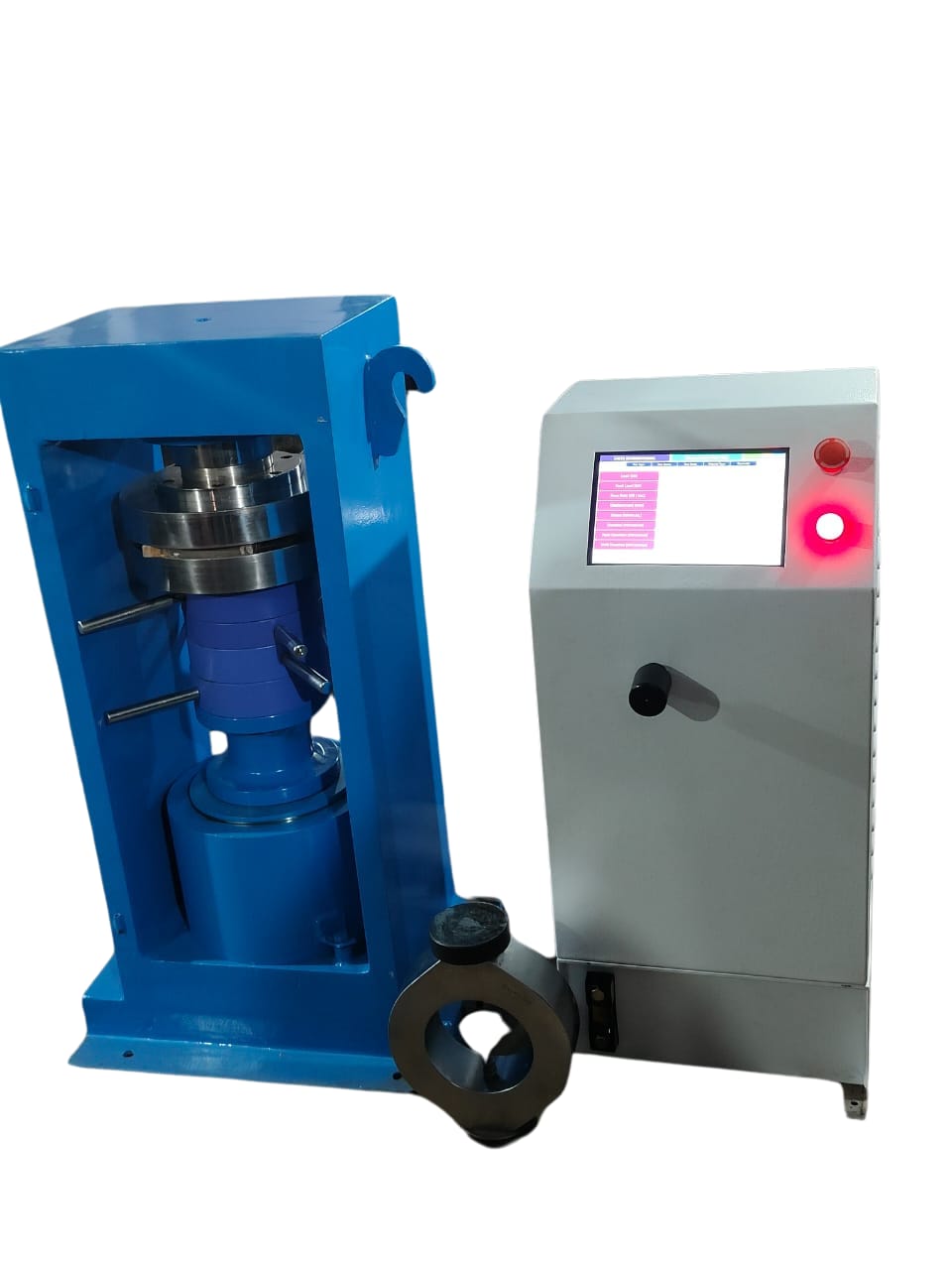
Uses:
Servo-controlled fully automatic CTMs ensure accurate and uniform loading as per IS 516 standards. These machines reduce human error and deliver consistent, reliable results.
How to Choose the Right Compression Testing Machine?
Before purchasing, consider:
For basic labs, Analog or Plate Type Digital models are suitable.
For advanced labs and tenders, Fully Automatic Servo CTM is recommended.
Why Compression Testing is Important?
Compression testing ensures:
Concrete used in buildings, bridges, and highways must pass compressive strength tests to ensure durability and safety.
Conclusion
There are various types of Compression Testing Machines available, ranging from Analog models to Fully Automatic Servo-controlled machines. Each type serves different laboratory needs based on accuracy, automation, and project requirements.
Choosing the right Compression Testing Machine ensures reliable strength testing, improved efficiency, and compliance with industry standards.
For high-quality and durable Compression Testing Machines, always select an experienced manufacturer with proven expertise in civil laboratory equipment.